
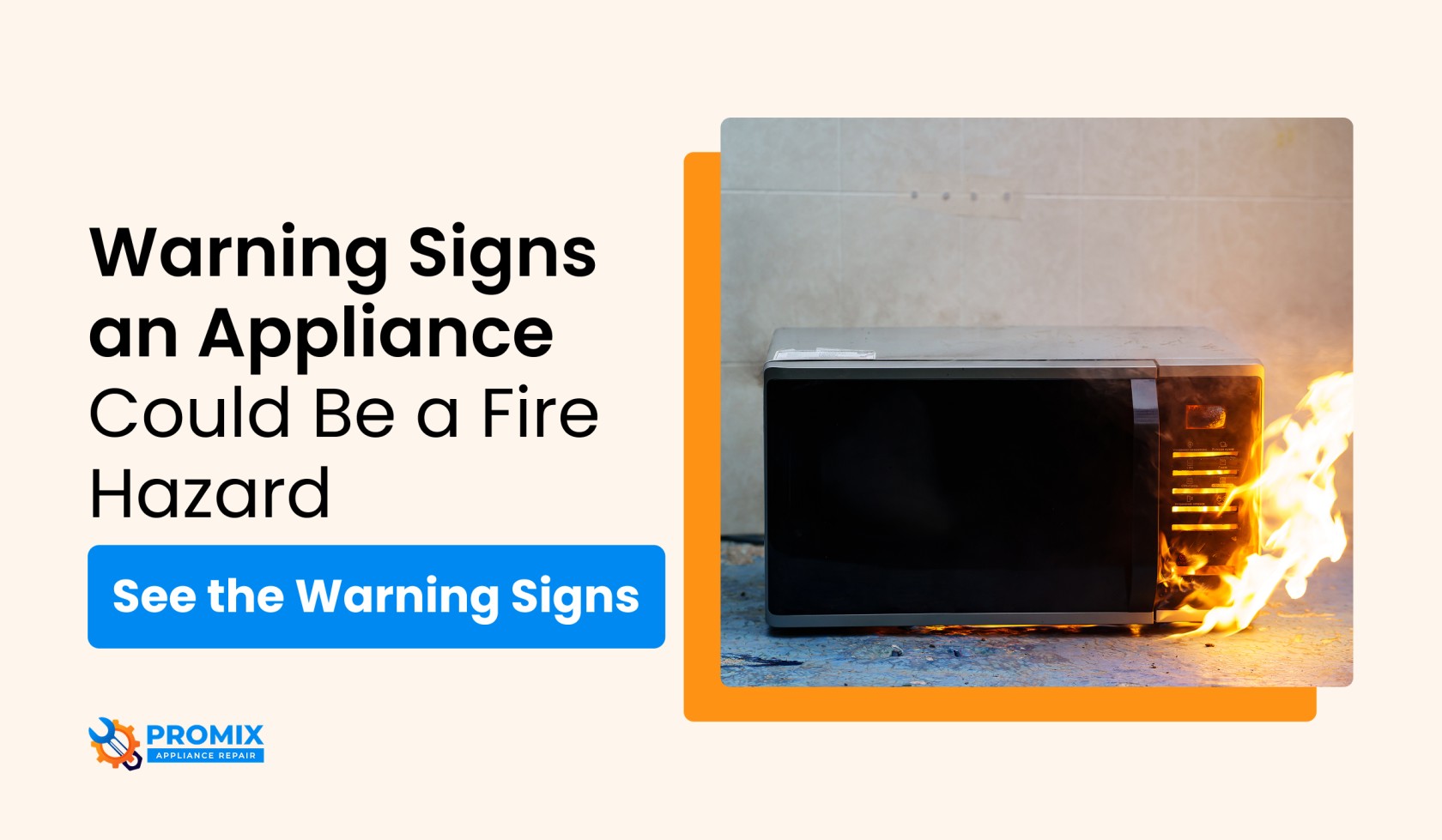
Warning Signs an Appliance Could Be a Fire Hazard
Your dryer finished its cycle an hour ago. The outlet behind your fridge has a faint dark mark you have noticed before but ignored. Your microwave buzzes slightly longer than it used to before starting. None of these seem urgent. None of them feel like emergencies.
But they are.
Appliance fires do not start suddenly. They build quietly, through worn cords, overloaded circuits, and components that overheat a little more each time. By the time smoke appears, the hazard has usually been present for weeks or months.
In this guide, you will learn exactly which warning signs indicate that an appliance is becoming a fire hazard, which appliances carry the highest risk, and what to do before a small fault becomes a serious incident.
What Makes a Home Appliance a Fire Hazard?
An appliance becomes a fire hazard when it can no longer operate safely within the electrical and mechanical parameters it was designed for. This happens gradually. Insulation breaks down. Connections loosen. Dust accumulates around heat-generating components. Internal parts wear unevenly. The result is an appliance that continues to function while quietly creating conditions for ignition.
What Causes Appliance Fires?
The most common causes of appliance fires are:
Frayed or damaged power cords that allow electrical arcing at the point of damage
Faulty internal wiring that short circuits under load
Overheating components that ignite nearby materials such as lint, dust, or insulation
Loose plug and outlet connections that cause arcing
Overloaded circuits that generate sustained heat in wiring
Blocked vents and accumulated dust that trap heat around motors and heating elements
The majority of appliance fires are preventable. They are not the result of sudden, unpredictable failures but of warning signs that went unaddressed.
What Is the Number One Appliance That Causes House Fires?
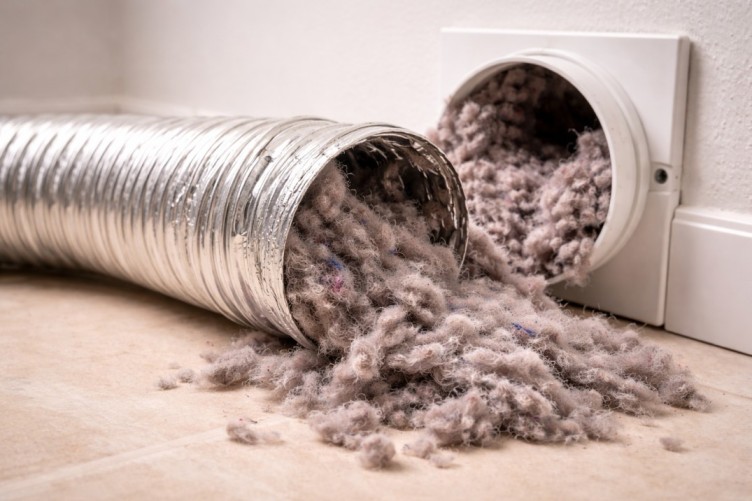
Clothes dryers are consistently ranked as the leading appliance cause of residential fires. The primary reason is lint accumulation inside the dryer vent, which restricts airflow, causes the appliance to overheat, and provides a highly flammable material in direct contact with heat. This is followed by stoves and ovens, dishwashers, washing machines, and refrigerators.
Can an Old Appliance Cause a Fire?
Yes. Age is one of the most significant factors in appliance fire risk. As appliances age, wiring insulation becomes brittle, connections loosen, and components wear beyond their designed tolerances. An appliance that is functioning normally by outward appearances may have internal wiring that is degraded to the point of presenting a genuine fire hazard. This is why routine professional inspection matters, particularly for appliances that are approaching or beyond their expected lifespan.
Key Warning Signs an Appliance Could Be a Fire Hazard
These are the signs that require immediate attention. Do not continue using an appliance that is showing any of the following.
Burning or Unusual Odors
A persistent smell of hot plastic, burning rubber, or a fishy odor coming from an outlet, cord, or appliance body is a strong indicator of component overheating or melting insulation. This smell is often the first detectable sign of an internal electrical fault. If you notice it, unplug the appliance immediately.
Discolored or Scorched Outlets
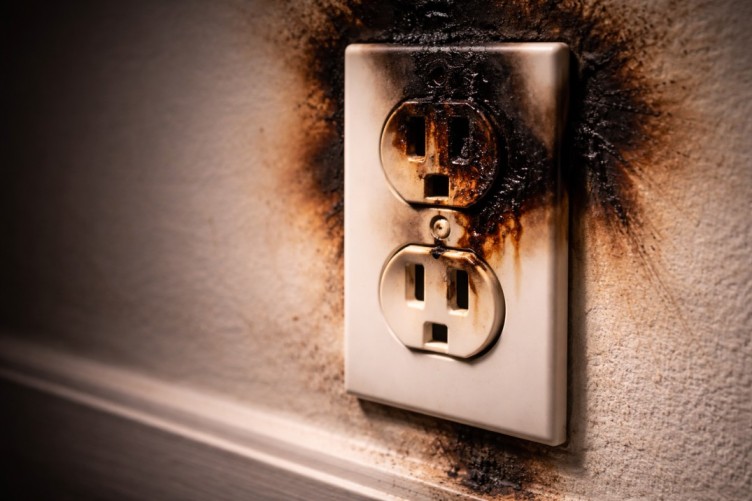
Dark marks, scorch marks, or discoloration around a wall outlet or switch plate indicate that the outlet or the appliance connected to it has been generating excessive heat. This is a sign of arcing or overloading that requires professional evaluation before the outlet or appliance is used again.
Frayed, Cracked, or Damaged Power Cords
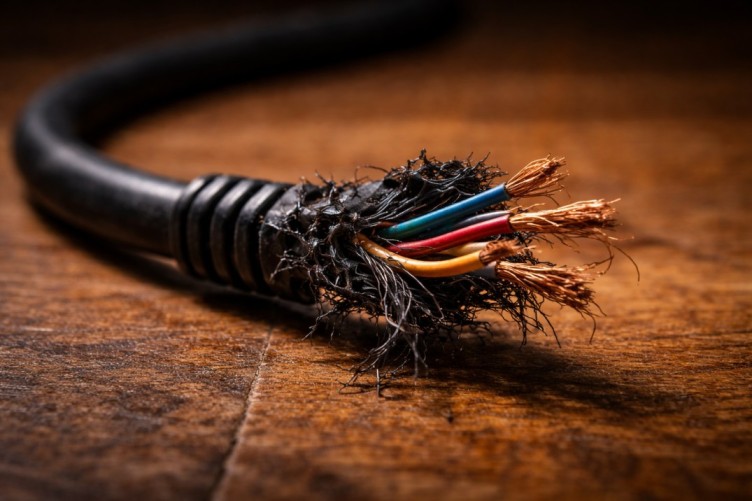
Worn insulation that exposes bare wire is one of the primary causes of electrical fires. A damaged cord can arc at the point of damage, generating enough heat to ignite nearby materials. Do not attempt to repair a damaged cord with tape. The cord must be replaced by a qualified technician.
Unusual Sounds: Buzzing, Sizzling, or Crackling
Sizzling, buzzing, or crackling sounds from an outlet or appliance are indicators of electrical arcing. Arcing occurs when current jumps a gap in a connection or damaged wire, generating intense localized heat. This is a serious warning sign that should prompt immediate disconnection of the appliance.
Overheating Appliance or Outlet
If an appliance feels unusually hot to the touch during or after normal operation, or if the outlet, switch plate, or plug feels warm, this indicates that the appliance is drawing more current than it should or that the connection is generating resistive heat. Both are fire hazard indicators.
Frequent Circuit Breaker Tripping
A circuit breaker that trips repeatedly when a specific appliance is in use is not a nuisance. It is a safety mechanism responding to a real overload condition. Frequent tripping means the circuit is being pushed beyond its safe capacity, which generates sustained heat in the wiring and increases fire risk significantly.
Loose Outlets or Plugs
A plug that fits loosely in a socket or falls out easily indicates a poor connection. Loose connections cause arcing, which generates intense localized heat and is a documented cause of outlet and appliance fires.
Flickering or Dimming Lights
If lights flicker or dim when a specific appliance starts or runs, this indicates a voltage imbalance in your home's electrical system. It suggests the appliance is drawing inconsistent or excessive current, which stresses the circuit and can lead to overheating in the wiring.
Dust and Debris Accumulation
For large appliances such as refrigerators, dust buildup on condenser coils and around motor components traps heat and creates a fire hazard. Refrigerator coils should be cleaned at least once a year to prevent this. The same applies to dryer vents, where lint accumulation is the leading cause of dryer fires.
Sparks
Any visible sparking from an appliance, cord, or outlet is an immediate fire hazard. Unplug the appliance if it is safe to do so and do not use it again until it has been professionally inspected.
Warning Signs Your Fridge Could Cause a Fire
Refrigerators run continuously, which means any developing electrical fault has the potential to generate heat over an extended period. Warning signs specific to refrigerators include a motor that runs constantly without the unit reaching temperature, unusual warmth on the exterior back panel, a burning smell near the compressor area, and visible dust accumulation on the condenser coils at the rear of the unit. If your refrigerator is showing any of these signs, our refrigerator repair service covers all major brands across Boston, MA.
How to Tell If an Oven Is a Fire Hazard
An oven that takes significantly longer than usual to reach temperature, produces uneven heat, emits burning smells during preheating, or shows visible damage to the heating element or burner is presenting fire hazard indicators. For gas ovens, the additional risk is gas accumulation before ignition. A gas oven that clicks repeatedly before lighting or emits a gas smell during operation should be taken out of service immediately. Our stove, oven and range repair service provides professional evaluation across the Boston, MA area.
Gas Appliance Fire Hazards: What Homeowners Need to Know
Gas appliances carry an additional layer of fire and explosion risk beyond electrical faults. A gas stove, oven, or dryer with a faulty valve, igniter, or connection can allow gas to accumulate before igniting. The smell of gas near any gas-connected appliance is an emergency. Leave the property immediately, do not operate any electrical switches, and call your gas provider before calling for repairs.
Signs of Faulty Wiring in Appliances
Internal wiring faults are not always visible without opening the appliance, but they produce detectable external signs. These include burning smells during operation, a plug or cord that feels warm after use, flickering indicator lights, inconsistent operation, and breakers that trip under load. Any of these signs in combination should be treated as a serious warning and the appliance taken out of service. For washer and dryer wiring issues, see our washer and dryer repair service.
Is It a Fire Hazard to Leave Appliances Plugged In?
Leaving a functioning appliance plugged in is generally safe. Leaving a malfunctioning or aging appliance plugged in is not. The risk comes not from the act of being plugged in but from the condition of the appliance and its connection. A faulty appliance can generate heat, arc internally, or short circuit even when it is not in active use.
What Appliances Should Never Be Left Plugged In?
The appliances that carry the greatest fire risk when left plugged in unattended are:
Toasters and toaster ovens: crumb buildup and faulty heating elements can ignite
Space heaters: the leading cause of residential heating fires
Clothes irons: can overheat if left face-down on fabric
Countertop grills and air fryers: residual heat and grease buildup
Any appliance showing signs of malfunction
Appliances designed for continuous operation, such as refrigerators and freezers, are safe to remain plugged in when functioning correctly.
What Kitchen Appliance Should Be Unplugged Before Bed?
Toasters and toaster ovens should be unplugged every night. These are among the appliances most frequently involved in overnight kitchen fires due to crumb accumulation, faulty heating elements, and the absence of an automatic shutoff in many models. Any countertop cooking appliance that has shown signs of malfunction should also be unplugged nightly as a precaution.
Why Do Firefighters Warn Against Extension Cords?
Extension cords are not designed for permanent use or for high-draw appliances. Using an extension cord with an appliance such as a refrigerator, washing machine, or space heater forces more current through a wire gauge not rated for sustained load. This generates heat in the cord itself, which can ignite the cord's insulation or nearby materials. Firefighters consistently cite extension cord misuse as a contributing factor in residential fires. Major appliances should always be plugged directly into a wall outlet.
How to Tell If an Appliance Is a Fire Hazard at Home
You do not need specialist tools to perform a basic fire hazard check on your appliances. Work through the following:
Inspect the power cord from plug to appliance for fraying, cracking, kinks, or exposed wire
Check the outlet and plug for discoloration, scorch marks, or warmth during use
Listen during operation for buzzing, crackling, or sizzling
Check whether the circuit breaker trips when the appliance runs
Note whether lights flicker when the appliance starts
Smell for any burning, hot plastic, or fishy odor during or after use
Check the exterior of the appliance for unusual warmth
If any of these checks reveal a concern, unplug the appliance and do not use it until it has been professionally assessed.
When to Call a Technician for an Appliance Fire Risk
Call a professional immediately if your appliance is sparking, if an outlet shows scorch marks, if you smell burning from an appliance or outlet, or if a breaker trips repeatedly. Do not attempt to diagnose or repair internal wiring, heating elements, or gas connections without professional training. Our team provides appliance fire hazard inspections across Boston, MA for all major home appliances.
Why Most Homeowners Miss the Warning Signs
The warning signs of an appliance fire hazard are rarely dramatic. They are a faint smell that comes and goes. A breaker that trips once a week. A plug that feels slightly warm. Homeowners dismiss these signs because the appliance continues to work, because the sign appears minor, or because there is no obvious immediate danger.
This is exactly how appliance fires develop. The hazard is present long before the fire is.
The most common reasons homeowners delay action are not knowing which signs are serious, assuming the problem will resolve itself, or not knowing who to call. A professional inspection removes all three barriers. A technician can identify developing faults, assess overall appliance condition, and give you a clear answer on whether the appliance is safe to continue using.
How to Avoid Appliance Fires in Your Home
Clean dryer vents at least once a year, more frequently with heavy use
Vacuum refrigerator condenser coils annually
Never use extension cords with major appliances
Unplug toasters, toaster ovens, and countertop cooking appliances when not in use
Act on warning signs immediately rather than monitoring them
Have older appliances professionally inspected, particularly those over ten years old
Check appliance recall status regularly via the Consumer Product Safety Commission website
When to Replace an Appliance Due to Fire Risk
If a professional assessment identifies wiring degradation, component failure, or structural damage that cannot be safely repaired, replacement is the correct course of action. The 50/50 rule applies here as well: if the cost of repair exceeds 50% of the cost of replacement and the appliance is beyond the midpoint of its expected lifespan, replacement is both the safer and more economical choice.
Professional Appliance Fire Hazard Inspection in Boston, MA
Most appliance repair services fix what is reported. Our approach is different.
When our technicians visit a property in Boston, MA, they do not limit their assessment to the fault you called about. Every visit includes a full safety inspection of the appliance: wiring condition, connection integrity, component wear, venting, and overall operational safety. We identify developing hazards before they become emergencies.
Here is what sets our service apart:
Full safety assessment with every visit. We inspect the entire appliance, not just the reported fault.
Licensed and insured technicians. Our team is trained in electrical safety, gas appliance handling, and refrigerant protocols.
Honest evaluation. If an appliance is beyond safe repair, we will tell you clearly. We do not perform repairs on appliances that we assess as presenting an ongoing safety risk.
Local knowledge. Boston-area homes, particularly older multi-unit buildings, have specific electrical and venting characteristics that affect appliance safety. Our technicians understand these conditions.
If your appliance is showing any of the warning signs described in this guide, do not wait. Contact our team for a professional fire hazard inspection.
The Bottom Line
Appliance fires do not happen without warning. The signs are almost always present: a burning smell, a warm outlet, a breaker that trips too often, a cord that has seen better days. The difference between a close call and a serious fire is almost always whether those signs were acted on in time.
If your appliance is showing any of the warning signs in this guide, unplug it and contact a professional. Our team provides full appliance repair services in Boston, MA for all major home appliances.
Frequently Asked Questions
What is the most common appliance to catch fire?
Clothes dryers are the most common appliance cause of residential fires, primarily due to lint accumulation and restricted venting. Stoves, ovens, dishwashers, and washing machines follow.
Is it a fire hazard to leave appliances plugged in?
A functioning appliance left plugged in is generally safe. A malfunctioning or aging appliance left plugged in presents a genuine fire risk, as internal faults can generate heat and arc even when the appliance is not actively in use.
Why do firefighters warn against extension cords?
Extension cords are not rated for the sustained current draw of major appliances. Using them with high-draw appliances generates heat in the cord itself, which can ignite the insulation or nearby materials. Major appliances should always be connected directly to a wall outlet.
What kitchen appliance should be unplugged before bed?
Toasters and toaster ovens should be unplugged every night. Any countertop cooking appliance that has shown signs of malfunction should also be unplugged between uses.
What is the number one fire hazard in a house?
Cooking equipment is the leading overall cause of residential fires. Among appliances specifically, clothes dryers are the most common single appliance source of home fires.
Are there warning signs before an electrical fire?
Yes. Burning smells, discolored outlets, warm plugs, flickering lights, buzzing sounds, and frequent breaker trips are all warning signs that an electrical fault is developing. Acting on these signs early is the most effective way to prevent an appliance fire.

