
Appliance Repair Safety Risks Homeowners Ignore
Every day, homeowners across Boston, MA deal with malfunctioning appliances a dishwasher that leaks, a dryer that trips the breaker, or a refrigerator that stops cooling. The instinct is often to ignore the problem, attempt a quick fix, or keep using the appliance until it completely breaks down. But what many homeowners don't realize is that malfunctioning appliances carry serious sometimes life-threatening safety risks that are easy to overlook until it's too late.
In this guide, we break down the most critical appliance repair safety risks, explain why they happen, identify the warning signs you should never ignore, and explain what separates a professional appliance repair service from a risky DIY attempt.
Why Appliance Safety Risks Are More Common Than You Think
Appliance-related accidents are not rare events. According to fire safety data, household appliances are among the leading contributors to residential fires, electrical injuries, and even carbon monoxide poisoning across the United States. In densely populated areas like Boston and its surrounding suburbs, older housing stock and aging appliances make these risks even more pronounced.
Most homeowners assume that as long as an appliance is still running even partially it is safe to use. That assumption is wrong and dangerous. A malfunctioning appliance can appear to work while silently developing electrical faults, gas leaks, or overheating problems that can ignite without warning.
The Hidden Dangers of a Malfunctioning Appliance
When an appliance is not working correctly, hidden risks can include:
• Exposed or frayed wiring that sparks internally
• Overloaded circuits that can trip breakers or worse, cause fires
• Faulty heating elements that overheat undetected
• Gas valves that fail to seal completely, creating slow leaks
• Capacitors in appliances like microwaves that retain lethal charges even when unplugged
These dangers are not always visible from the outside. A dryer that "kind of works" might have a clogged vent driving heat to dangerous levels. A refrigerator making odd noises might have a failing compressor that is drawing excess power and stressing your home's wiring.
What Is the Number One Appliance That Causes House Fires?
The leading appliance-related cause of house fires is the clothes dryer. Lint buildup inside the dryer vent restricts airflow, causes overheating, and can ignite. This is followed closely by stoves and ovens, dishwashers, and washing machines. Refrigerators and microwaves round out the list of appliances responsible for the most residential fires in the U.S.
In the Boston area, older multi-unit buildings with shared laundry rooms and aging ductwork face elevated risk because venting systems are often longer, more convoluted, and less frequently cleaned.
The Most Ignored Appliance Repair Safety Risks
Homeowners often dismiss small warning signs until an appliance fails completely. Below are the most commonly overlooked safety risks and why each one matters.
Electrical Hazards and Burn Risks
Electrical shock is one of the most serious risks associated with appliance repair. Wires that are frayed, improperly connected, or twisted together rather than properly crimped or soldered can arc, spark, or deliver dangerous shocks. Even appliances that are unplugged can carry stored electrical charges particularly microwaves, which use high-voltage capacitors that can retain a lethal charge long after being disconnected from power.
Burns are another underappreciated risk. Repairing dishwashers or washing machines without proper precautions exposes homeowners to hot water, steam, and scalding parts. Appliance interiors also contain sharp, unfinished metal edges that can cause serious lacerations especially behind refrigerators, inside dishwasher door panels, and along washing machine drum components.
What Appliances Cause the Most Fires?
In order of fire risk, the most dangerous household appliances are:
Clothes dryers (lint accumulation and restricted venting). See our washer and dryer repair service
Stoves and ovens (unattended cooking, faulty burners, gas leaks) see our stove, oven and range repair service
Dishwashers (electrical faults during cycles, heat element failures) see our dishwasher repair service
Washing machines (motor overheating, wiring faults)
Refrigerators (compressor overheating, wiring issues at the back) see our refrigerator repair service
Microwaves (internal arcing, door seal failures)
It is worth noting that many appliance fires start while homeowners are asleep or away from home. Running a washing machine, dishwasher, or dryer when no one is home is one of the most significant and avoidable fire risks in residential settings.
What Are the Worst Appliances to Leave Plugged In?
Some appliances pose heightened risks when left plugged in continuously, especially if they are older or malfunctioning:
• Space heaters a leading cause of residential fires when left unattended
• Toasters and toaster ovens crumb buildup and faulty heating elements create ignition risk
• Older microwaves door seal failures and internal arcing can occur when idle
• Washing machines and dryers motor and wiring faults can develop heat even in standby
• Air conditioners older units with degraded wiring are a documented fire hazard
As a general rule, any appliance that generates heat whether for cooking, drying, or climate control should be unplugged or switched off at the wall when not in use, particularly if it has shown signs of malfunction.
What Is the 50/50 Rule for Appliance Repair?
The 50/50 rule (sometimes called the 50% rule) is a widely used guideline in the appliance repair industry: if the cost to repair an appliance exceeds 50% of the cost to replace it, replacement is generally the more sensible choice both financially and from a safety standpoint.
From a safety perspective, this rule matters because older appliances that require expensive repairs are often suffering from systemic wear rather than a single isolated failure. A refrigerator that needs a new compressor may also have aging wiring, worn door seals, and a degraded thermostat all of which contribute to ongoing safety risks even after the primary repair is completed.
When Keeping an Old Appliance Becomes a Safety Decision, Not Just a Financial One
Continuing to use a heavily worn appliance even one that has been partially repaired can introduce compounding risks. Each failed component puts stress on adjacent parts. An appliance that has already experienced one electrical fault is statistically more likely to experience another. At a certain point, the question stops being "is it worth repairing?" and becomes "is it safe to continue using?"
A qualified appliance repair technician can assess not just the immediate problem but the overall condition of the unit and advise on whether continued use presents an unacceptable risk.
Warning Signs You Should Never Ignore
Appliances do not usually fail without warning. The following signs indicate that an appliance needs immediate professional evaluation not a temporary workaround.
Electrical Warning Signs
• Tripping circuit breakers repeatedly when the appliance is in use
• Sparks, popping sounds, or a burning smell from the appliance or outlet
• The appliance causes lights to flicker or dims them when starting
• Warm or discolored outlets or plugs
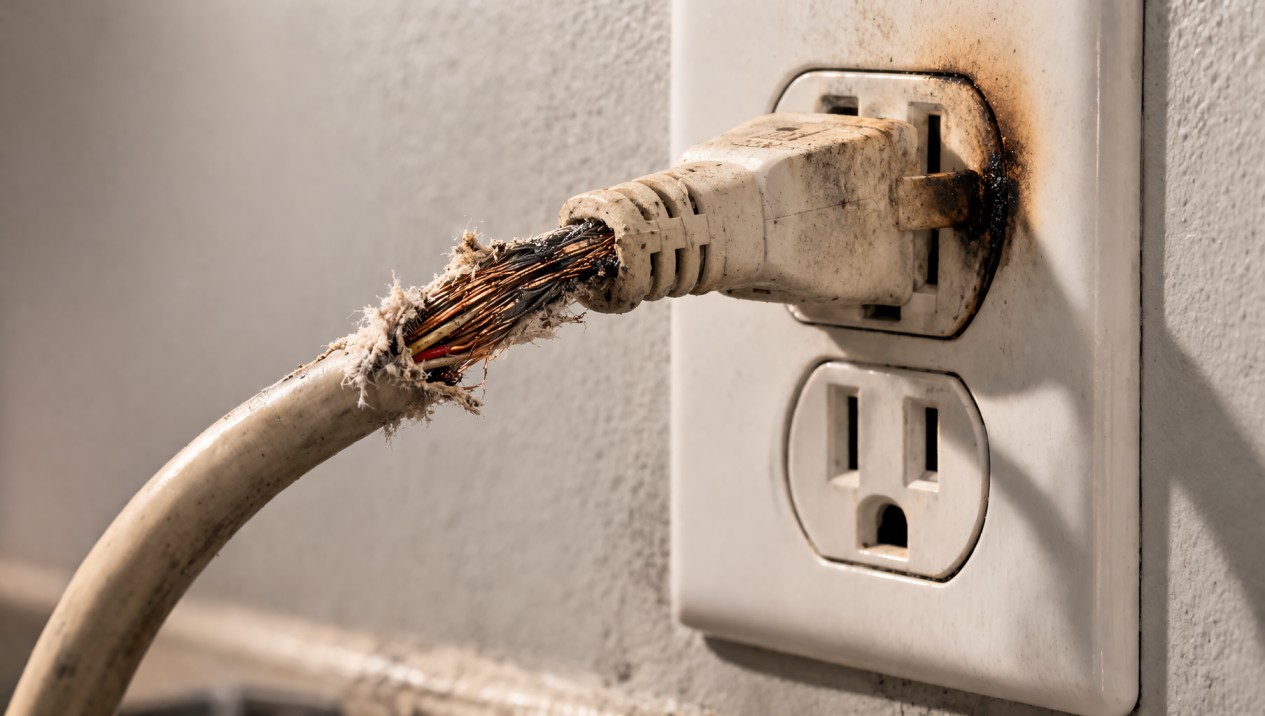
• Visible fraying, cracking, or damage to the power cord
Fire and Heat Warning Signs
• An appliance that runs hotter than normal to the touch externally
• Scorch marks around the plug or on the appliance exterior
• The smell of burning plastic, rubber, or wiring
• Dryer that takes multiple cycles to dry a single load (classic sign of restricted venting)
• Stove or oven that takes unusually long to heat or fails to reach temperature
Gas and Chemical Warning Signs
• The smell of gas near a stove, oven, or gas dryer leave immediately and call your gas provider
• Symptoms of carbon monoxide exposure (headache, dizziness, nausea) in the home
• Unusual odors from a refrigerator can indicate a refrigerant leak
What Are the Safety Precautions for Appliances?
Whether you are using appliances daily or preparing for a repair, these safety precautions significantly reduce your risk of injury or property damage.
The 5 Appliance Safety Tips Every Homeowner Should Know
• Never run high-heat appliances unattended. Do not run washing machines, dryers, or dishwashers when you are asleep or away from home.
• Unplug what you don't use. Toasters, countertop appliances, and space heaters should be unplugged when not in active use.
• Clean and maintain regularly. Clean dryer vents at least annually, replace refrigerator door seals when worn, and descale dishwasher filters.
• Act on warning signs immediately. Do not continue using an appliance that is sparking, smoking, tripping breakers, or emitting unusual odors.
• Call a professional for electrical and gas repairs. Never attempt to repair gas lines, high-voltage components, or internal wiring without proper training and certification.
What Appliance Should You Unplug Every Night?
The appliances most worth unplugging at night are those that generate heat or have a documented history of igniting in standby mode: toasters, toaster ovens, space heaters, and any countertop cooking appliance. These represent the highest overnight fire risk in a residential kitchen or living area.
Appliances on standby such as televisions, gaming consoles, and microwaves draw a small amount of power continuously. While not typically a fire hazard in good working condition, older or malfunctioning units in standby mode can develop internal heat over time. If your appliance is already showing signs of wear or malfunction, unplugging it when not in use is a simple and effective precaution.
Why DIY Appliance Repair Is Often a Safety Risk
There is no shortage of tutorial videos showing homeowners how to repair appliances step by step. While basic maintenance tasks cleaning a dryer vent, replacing a water filter, or descaling a coffee machine are generally safe for homeowners to handle, the moment a repair involves electrical components, gas connections, or refrigerant handling, the risk profile changes dramatically.
What Are the Safety Measures Before Attempting Any Repair?
• Disconnect power completely. Unplug the appliance or switch off the dedicated circuit breaker before touching any internal component.
• Verify power is off with a multimeter. Never assume an appliance is safe to work on because it appears off.
• Wear protective equipment. Safety glasses and insulated rubber gloves are essential for any internal appliance work.
• Use the correct tools. Improvised tools and incorrect fasteners lead to stripped components, damaged wiring, and injury.
• Never reconnect power with components exposed. A technician or household member restoring power while someone is working inside the appliance is one of the most dangerous and most preventable accidents in home repair.
Risks of DIY vs. Professional Appliance Repair
A DIY repair that appears successful on the surface may leave an underlying hazard in place. Wires twisted together without crimping or soldering are a documented fire risk. A gas connection that is hand-tight rather than properly torqued may hold initially and fail days later. An internal component replaced with a non-OEM part may function but operate outside the safety parameters the appliance was designed for.
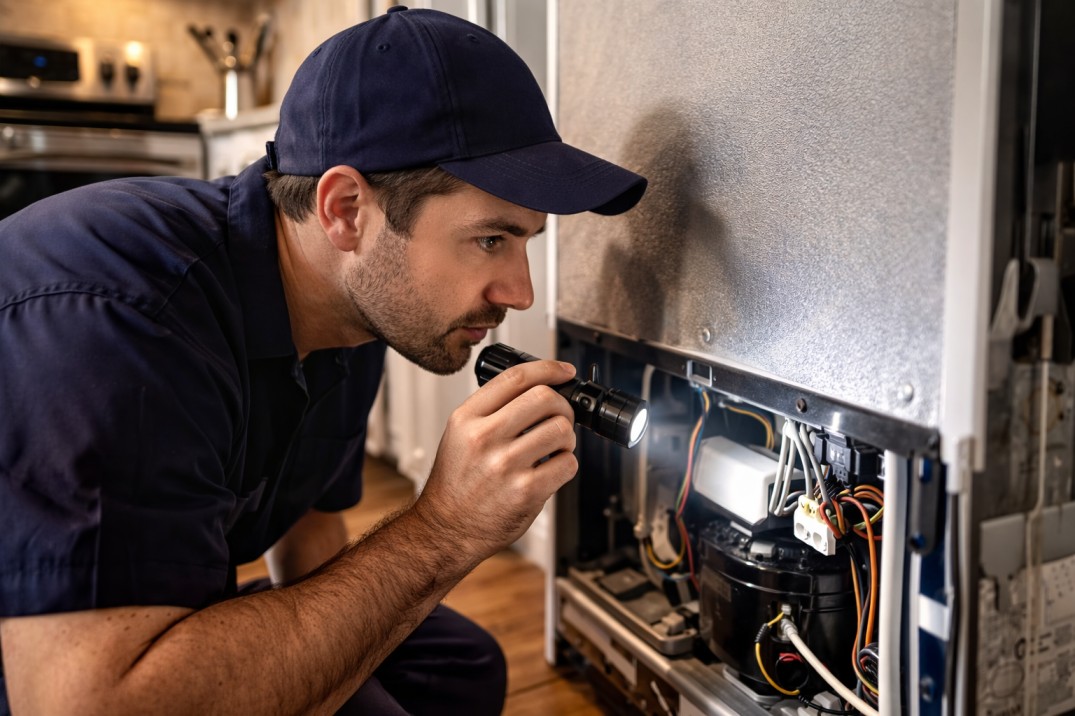
Professional technicians do not just fix the immediate symptom. They inspect surrounding components, test electrical continuity, verify gas pressure where applicable, and confirm that the repair meets the safety specifications of the appliance not just that it appears to work.
How We Approach Appliance Repair Safety Differently in Boston, MA
Not all appliance repair services are equal. Our team in Boston, MA takes a safety-first approach that goes beyond simply fixing what's broken. Here is what sets our service apart from a standard repair call:
• Full appliance safety assessment with every repair. We don't just address the reported problem we inspect the entire unit for signs of wear, electrical degradation, or developing hazards.
• Licensed and insured technicians. Every technician we dispatch is trained in appliance safety protocols, including proper handling of high-voltage components, refrigerants, and gas-connected appliances.
• OEM and certified replacement parts. We use parts that meet the manufacturer's original specifications, ensuring your appliance operates within its designed safety parameters after repair.
• Honest recommendations. If the 50/50 rule applies and continued use of your appliance presents an ongoing safety concern, we will tell you clearly and without pressure.
• Local expertise. We understand the specific challenges Boston-area homes face: older wiring in triple-deckers, shared laundry venting in multi-unit buildings, and the seasonal strain that New England winters place on heating appliances.
How to Find Reliable Appliance Repair Services Near You in Boston, MA
When searching for appliance repair in Boston, MA, prioritize providers who are licensed, insured, and transparent about their diagnostic process. Quality repair is a specialty service it requires proper training, the right tools, and certified replacement parts.
At Promix Appliance Repair, we offer:
A full safety assessment with every visit
Honest evaluation of whether repair or replacement is the right choice
Licensed and insured technicians across Boston, MA and surrounding areas
If your appliance is showing any of the warning signs described in this guide, do not wait. Contact Promix today for a free consultation.
Frequently Asked Questions About Appliance Repair Safety
What is the number one leading cause of house fires?
Cooking equipment is the leading overall cause of house fires. Among appliances specifically, clothes dryers are consistently ranked as the most common appliance fire source, primarily due to lint accumulation and blocked venting.
What are 5 common household items that are extremely flammable?
The most commonly ignited household items in appliance-related fires include:
• Lint from clothes dryers
• Cooking oils and grease near stove burners
• Dust accumulation behind and beneath refrigerators
• Crumbs and food residue inside toasters and toaster ovens
• Worn or frayed wiring insulation on older appliance power cords
What are the safety precautions for appliances?
The core safety precautions are: never leave high-heat appliances running unattended, unplug small appliances when not in use, clean and maintain appliances on a regular schedule, respond immediately to any warning signs such as sparks, smoke, or unusual odors, and call a licensed professional for any repair involving electrical components, gas connections, or refrigerant.
What is the most common appliance repair?
The most commonly repaired appliances are refrigerators, washing machines, dryers, dishwashers, and ovens. Typical issues include failing to heat or cool properly, drainage problems, door seal failures, and motor or control board issues. While some of these repairs appear straightforward, they frequently involve electrical and mechanical components that carry real safety risks when handled incorrectly.
What are the 7 safety precautions for appliance repair?
• Disconnect power completely before opening any appliance
• Verify power is off using a multimeter or circuit tester
• Wear insulated gloves and safety glasses
• Use the correct tools for the specific appliance and component
• Be aware of capacitor hazards in microwaves and other high-voltage appliances
• Clearly mark the circuit breaker to prevent accidental power restoration
• Hire a licensed technician for gas, refrigerant, and high-voltage component repairs

