

GE Dryer Not Heating l Fix It Before You Call Anyone
A dryer that runs but produces no heat is one of the most frustrating appliance problems clothes tumble for a full cycle and come out just as wet as they went in. Before assuming the worst, know this: most GE dryer not heating cases come down to a handful of specific, diagnosable causes. Work through them in order and you'll likely find the answer before needing to call anyone.
First Is It Electric or Gas?
The fix depends entirely on which type of dryer you have. GE makes both, and the heating components are completely different.
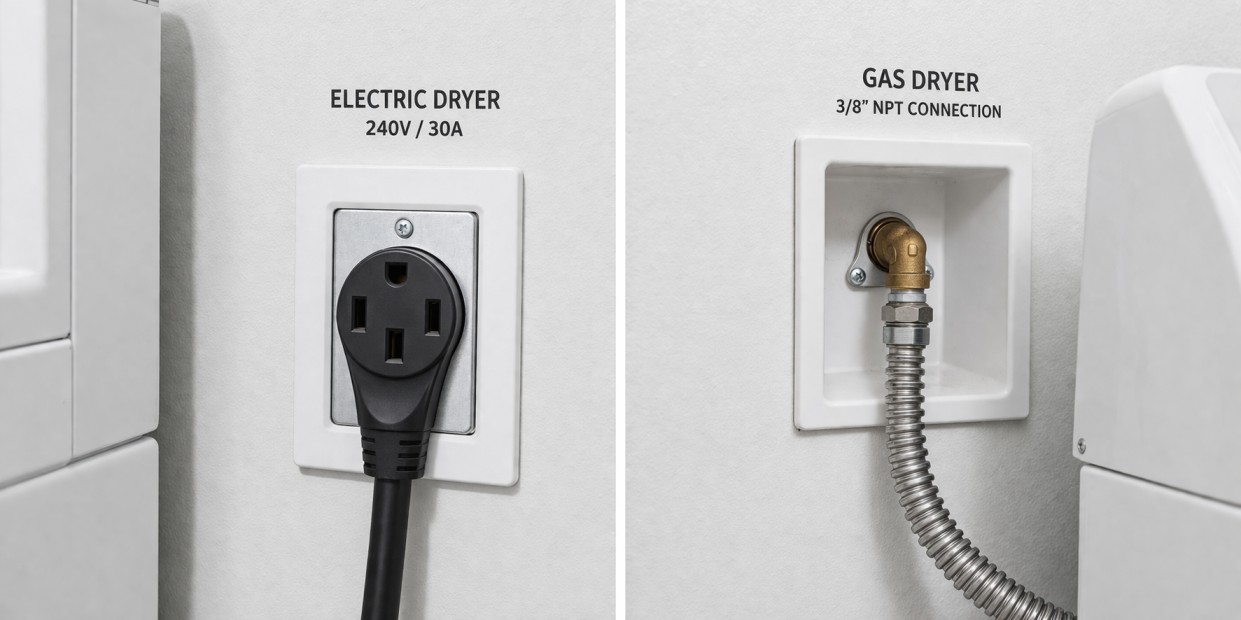
Electric dryers heat via heating elements metal coils that glow red and generate heat. When they fail, there's no heat at all.
Gas dryers use an igniter, flame sensor, and gas valve coils to ignite a burner. A failure in any one of these stops the burner from lighting again, no heat.
Knowing your type narrows the diagnosis immediately. Check the power connection electric dryers require a 240V outlet, not a standard 120V. A dryer plugged into the wrong outlet will tumble but never heat.
Blown Thermal Fuse
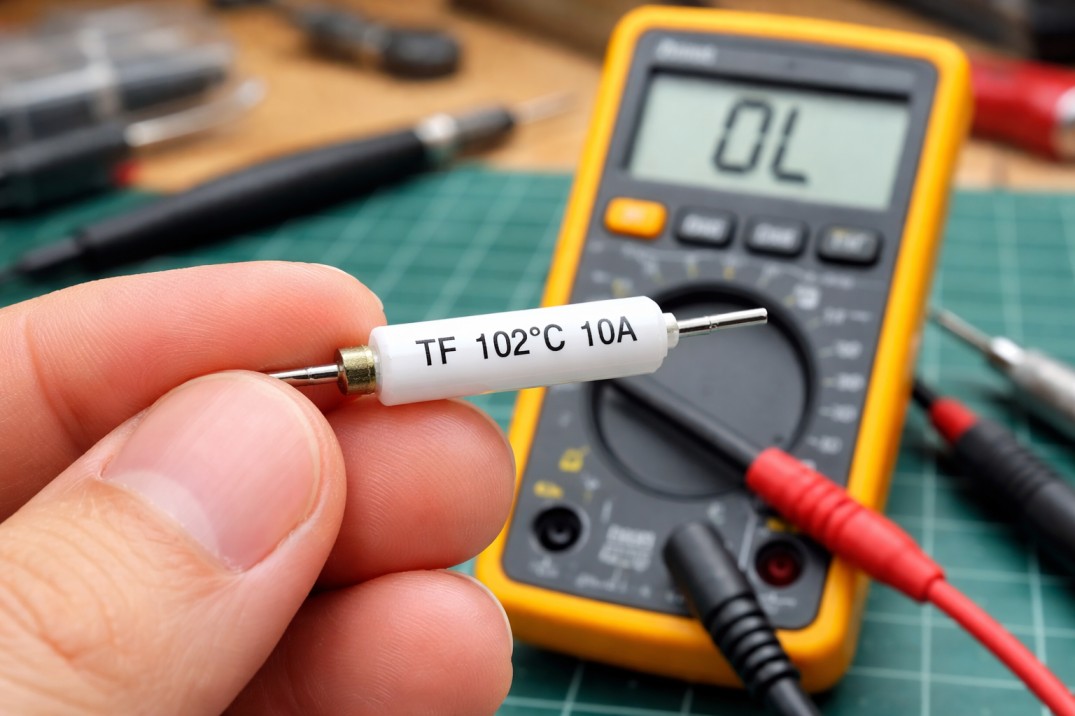
This is the single most common reason for a GE dryer not heating. The thermal fuse is a one-time safety device when the dryer overheats, it blows and cuts power to the heating circuit permanently. Once blown, it does not reset. The dryer continues to tumble but produces zero heat.
The thermal fuse is inexpensive and straightforward to replace, but here's the important part: a blown fuse is always a symptom, not a root cause. If you replace it without finding out why it blew, it will blow again. Restricted airflow from a clogged vent is the most common trigger.
Clogged or Restricted Exhaust Vent
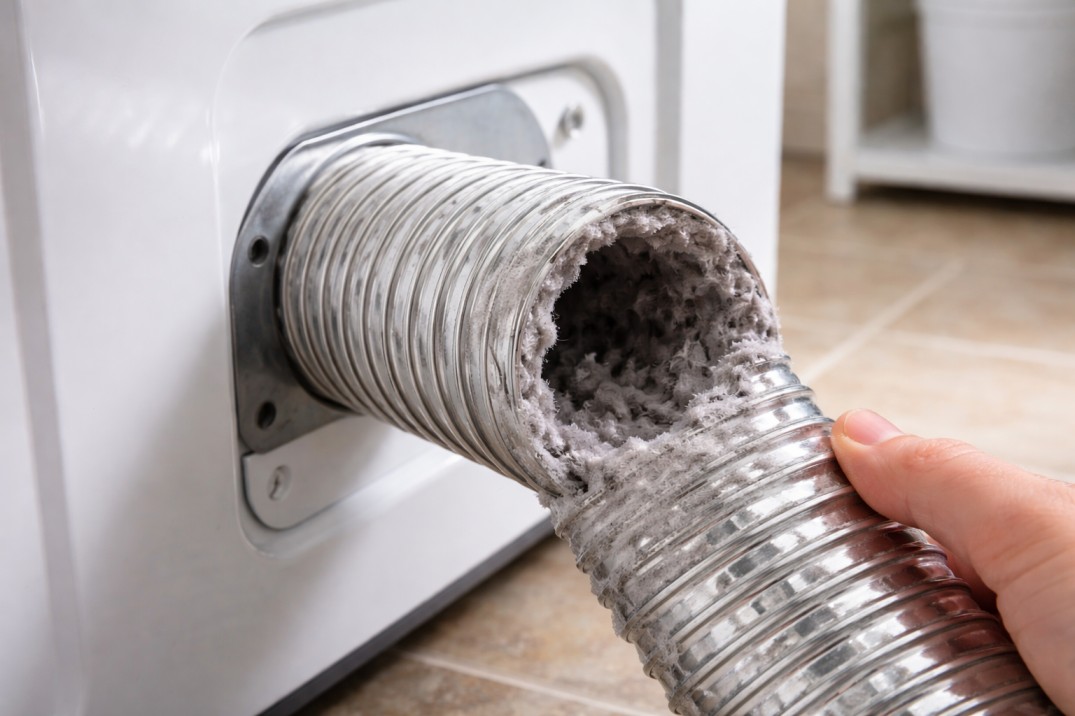
A blocked vent is behind more GE dryer not heating complaints than most people realize. When hot, moist air can't escape, the dryer overheats, the thermal fuse blows, and heating stops. Even if the fuse hasn't blown yet, restricted airflow alone can reduce heat significantly.
Pull the dryer away from the wall and disconnect the vent hose. Check for lint buildup, kinks, or crushed sections. The vent run should be as short and straight as possible every bend reduces airflow. Clean the entire vent line from the dryer to the exterior wall cap.
Failed Heating Element (Electric models)
If the thermal fuse is intact but the GE dryer not heating problem persists, the heating element is the next suspect. Over time, the coil inside the element can break sometimes visibly, sometimes not. A multimeter test for continuity will confirm whether the element has failed. A broken element reads no continuity and needs replacement.
Faulty Igniter or Gas Valve Coils (Gas models)
On gas dryers, the igniter glows to light the burner. If the igniter is cracked or burned out, the burner never lights. Gas valve coils also called solenoids open the valve to allow gas flow. When one or more coils fail, gas doesn't reach the burner even if the igniter is working. Both components are testable with a multimeter.
Tripped Circuit Breaker (Electric models)
Electric dryers run on two circuit breakers one for the motor and one for the heat. If only the heat breaker trips, the dryer tumbles normally but produces no heat. This is easy to miss because the dryer appears to be working. Check the breaker panel and reset both breakers if either has tripped.
Faulty High-Limit Thermostat
The high-limit thermostat acts as a secondary safety cutoff above the thermal fuse. Unlike the fuse, it can sometimes reset but it can also fail in the open position, permanently cutting the heating circuit. Testing with a multimeter confirms whether it's functioning correctly.
How to Diagnose It: Step by Step
Step 1 Check the basics first Confirm the dryer is on the correct outlet (240V for electric). Check the circuit breaker panel and reset any tripped breakers. Clean the lint trap a fully blocked screen restricts airflow enough to affect heating.
Step 2 Inspect and clean the exhaust vent Disconnect the vent hose from the back of the dryer. Clear any lint buildup and check for kinks or blockages along the full vent run. Reconnect and run a test cycle.
Step 3 Test the thermal fuse Unplug the dryer. Locate the thermal fuse typically on the exhaust duct inside the dryer and test it with a multimeter. No continuity means it's blown and needs replacement.
Step 4 Test the heating element or igniter For electric models, test the heating element for continuity. For gas models, visually inspect the igniter for cracks and test the gas valve coils with a multimeter.
Step 5 Test the high-limit thermostat If all components above test fine, check the high-limit thermostat for continuity. A failed thermostat in the open position produces the same symptom as a blown fuse no heat, normal tumbling
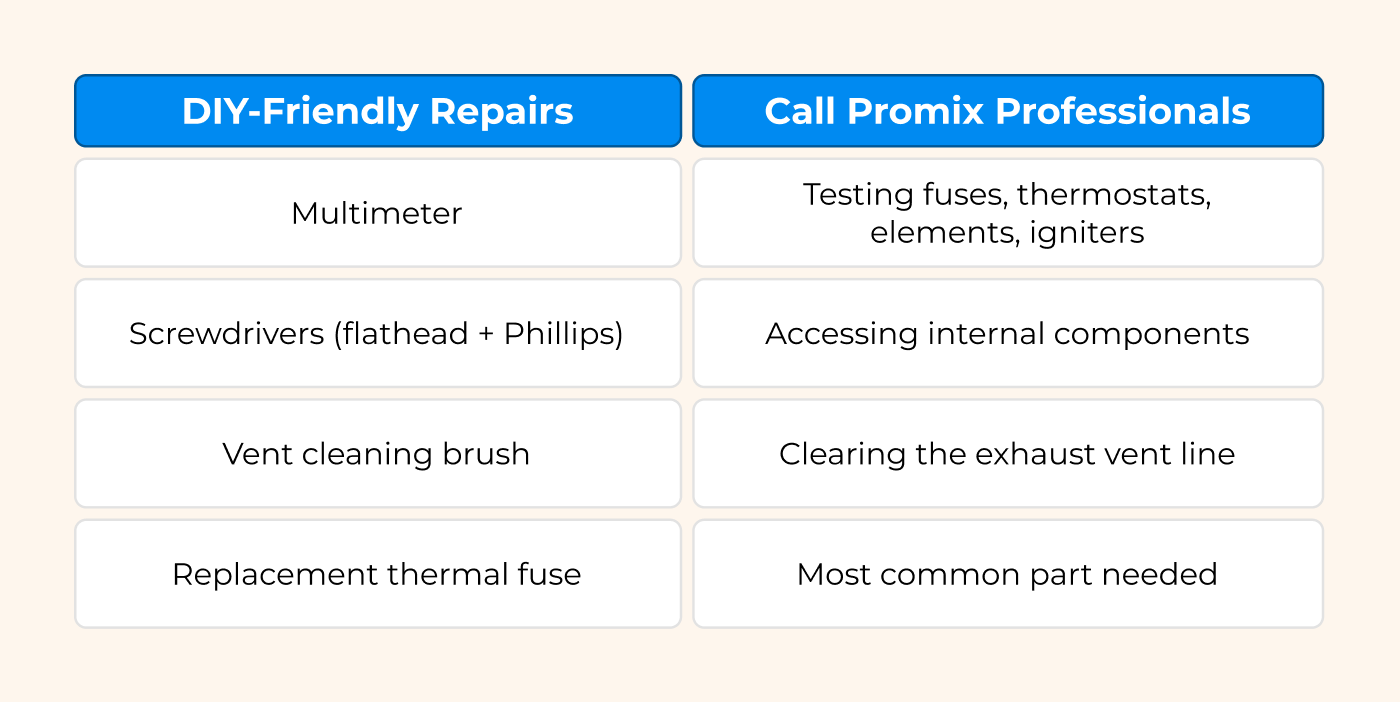
What You'll Need
When to Call a Technician
If you've tested the thermal fuse, heating element, and thermostat and the GE dryer not heating problem remains the issue is likely in the control board or wiring harness. These are not straightforward DIY repairs. A control board misdiagnosis is an expensive mistake, and wiring faults carry a safety risk if handled incorrectly.
Promix Appliance Repair handles GE dryer diagnostics and heating repairs, from thermal fuse replacements to full component testing. Call (781) 666-9565 to schedule service.
FAQ
Why is my GE dryer running but not heating?
The most common causes are a blown thermal fuse, a tripped circuit breaker, or a clogged exhaust vent. Start with the breaker panel and vent before opening the dryer.
How do I know if my GE dryer thermal fuse is blown?
Test it with a multimeter a blown fuse reads no continuity. It's located on the exhaust duct inside the dryer and costs very little to replace.
Can a clogged vent cause a GE dryer not heating?
Yes a clogged vent causes the dryer to overheat, which blows the thermal fuse and cuts heat entirely. Cleaning the vent is the first physical step in any GE dryer not heating diagnosis.
Why does my GE gas dryer run but not heat?
On gas dryers, a cracked igniter or failed gas valve coils are the leading causes. The igniter glows but can't sustain the flame, or the valve coils don't open to allow gas flow.
How long does a GE dryer heating element last?
Typically 8-10 years with normal use. Restricted airflow significantly shortens its lifespan by forcing it to run hotter and longer than designed.

