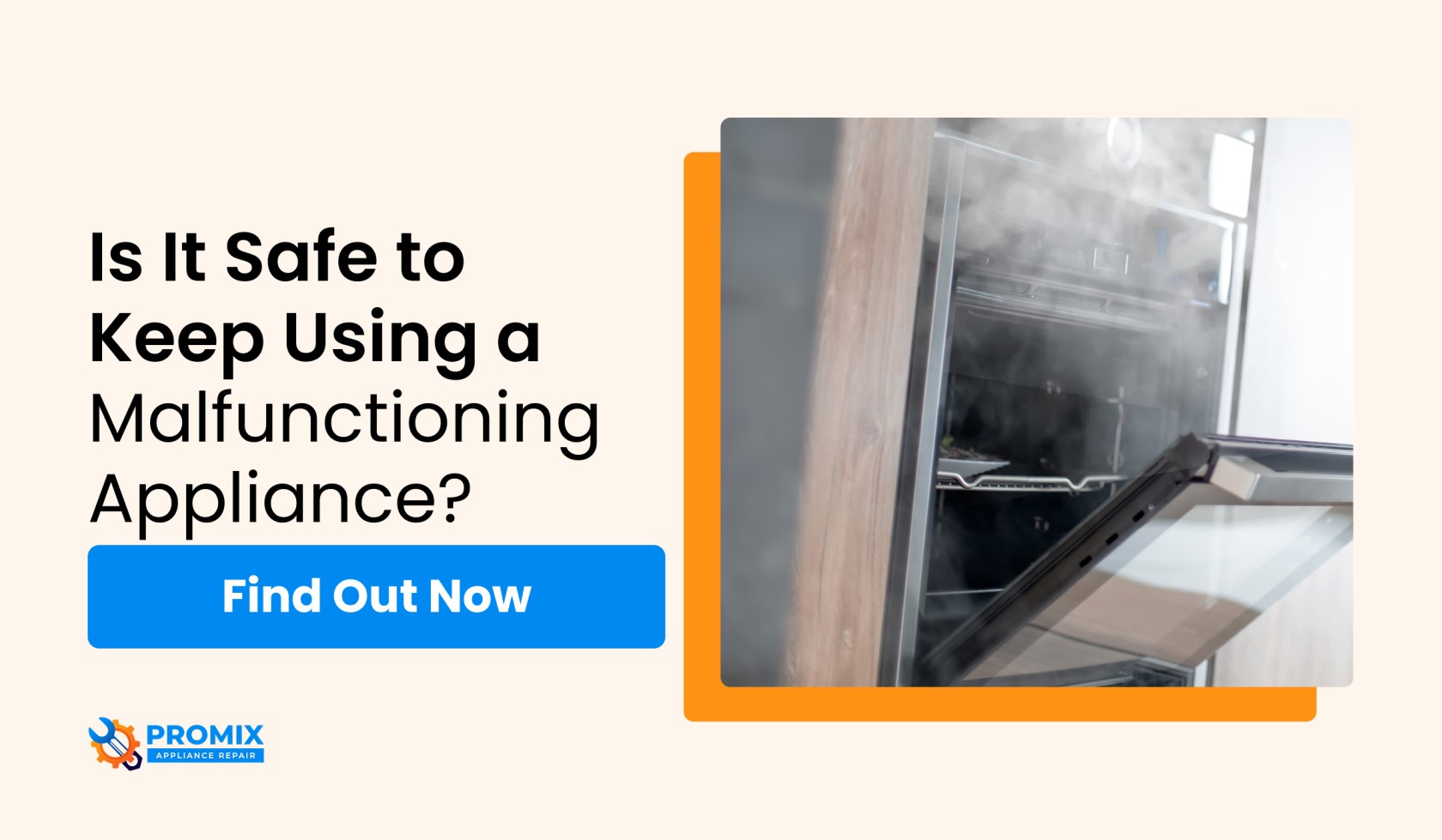
Is It Safe to Keep Using a Malfunctioning Appliance?
Your washing machine is making a grinding noise. Your fridge is not as cold as it used to be. Your oven takes twice as long to heat up. Most homeowners notice these signs and keep going anyway, assuming the appliance will sort itself out or last a little longer.
It will not. And continuing to use it can put your home and your family at serious risk.
In this guide, we break down exactly what happens when you keep using a faulty appliance, which warning signs you should never ignore, and how to decide whether to repair or replace. If you are in Boston, MA and need a professional assessment, our appliance repair services are available for all major home appliances.
What Does It Mean When an Appliance Is Malfunctioning?
An appliance is malfunctioning when it is no longer operating within its designed parameters. This does not always mean it has stopped working entirely. In many cases, a malfunctioning appliance continues to function at a reduced or inconsistent level while developing internal faults that are invisible from the outside.
The danger is that homeowners interpret "still running" as "still safe." These are not the same thing.
What Are the Signs of a Failing Appliance?
The most common warning signs that an appliance is failing include:
Strange noises during operation such as grinding, buzzing, rattling, or clicking
The smell of burning plastic, hot metal, or electrical components
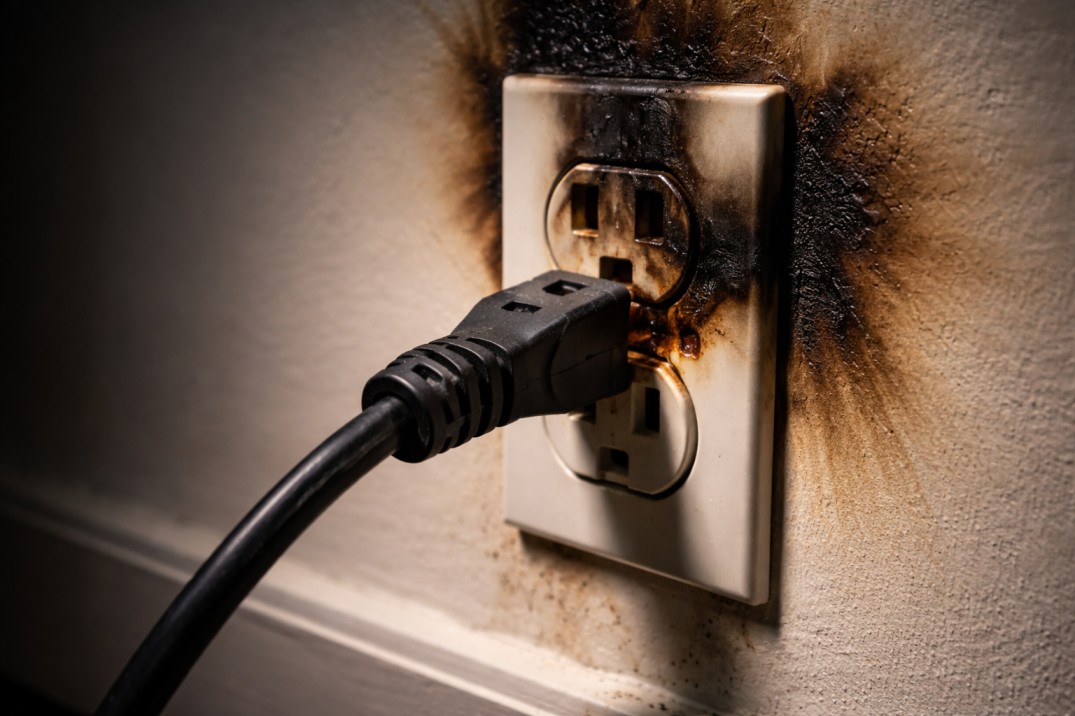
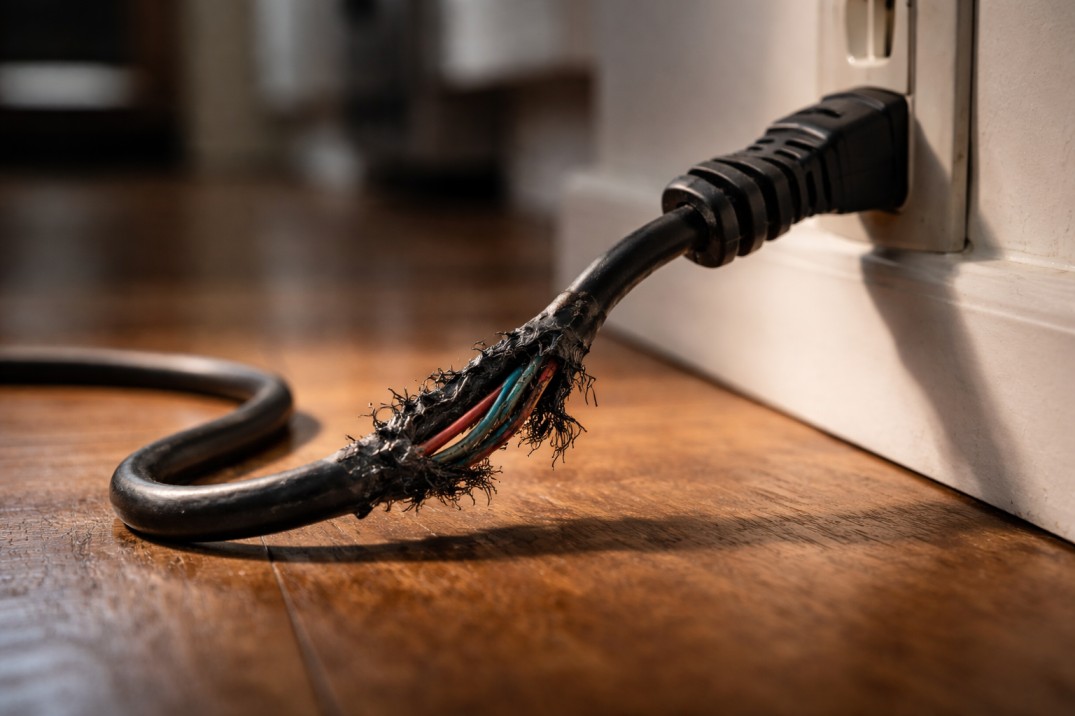
Scorch marks or discoloration on the plug, cord, or appliance casing
Inconsistent or noticeably reduced performance
Frequent tripping of the circuit breaker when the appliance is in use
Visible damage to the power cord or plug
Unexpected shutdowns or difficulty starting
Any one of these signs warrants immediate action. More than one is a clear signal to stop using the appliance and call a professional.
How to Tell If an Appliance Is Too Broken to Use
The clearest indicator that an appliance is too dangerous to continue using is any sign of electrical fault: sparking, burning smells, discolored outlets, or a breaker that trips consistently when the appliance runs. Structural failures, such as a refrigerator door that no longer seals or a washing machine drum that moves unevenly, are also reasons to stop use immediately.
If you are unsure, the safest course of action is always to unplug the appliance and have it professionally inspected before using it again.
The Real Dangers of Using a Faulty Appliance
Using a malfunctioning appliance is not simply a matter of inconvenience or reduced efficiency. It exposes your household to a range of serious and potentially life-threatening hazards.
Can Using a Malfunctioning Appliance Cause a Fire?
Yes. This is one of the most well-documented risks. Malfunctioning internal components, frayed cords, and loose connections can overheat, spark, or short circuit. When this happens near insulation, curtains, cabinetry, or lint buildup, ignition can occur rapidly. Clothes dryers are among the leading causes of residential fires in the United States, and the vast majority of dryer fires are caused by a failure to clean or maintain the appliance rather than a sudden catastrophic breakdown.
The fire risk is not limited to the appliance itself. A short circuit inside a faulty unit can send a surge through your home's wiring and ignite materials inside walls and behind outlets.
Is It Safe to Use an Appliance With a Power Issue?
No. Power issues, including flickering displays, difficulty starting, inconsistent operation, or a plug that feels warm to the touch, are indicators of an underlying electrical fault. Damaged wiring or faulty internal components can expose anyone handling the appliance to live electrical current, resulting in shock or electrocution. A faulty appliance can also send dangerous power surges into your home's electrical system, damaging other connected devices and potentially burning out outlets and switches.
What Are the Dangers of Wrong Use of Home Appliances?
Beyond faults that develop over time, incorrect use of appliances accelerates wear and introduces additional risks:
Running a dryer with a blocked vent traps heat and dramatically increases fire risk
Overloading a washing machine stresses the motor and drum bearings
Using a microwave with a damaged door seal allows microwave radiation to escape
Operating a refrigerator with a worn door seal forces the compressor to overwork, shortening its lifespan and increasing energy draw
Using an oven with a faulty thermostat can result in dangerously high temperatures that go undetected
Is It Safe to Use a Malfunctioning Fridge?
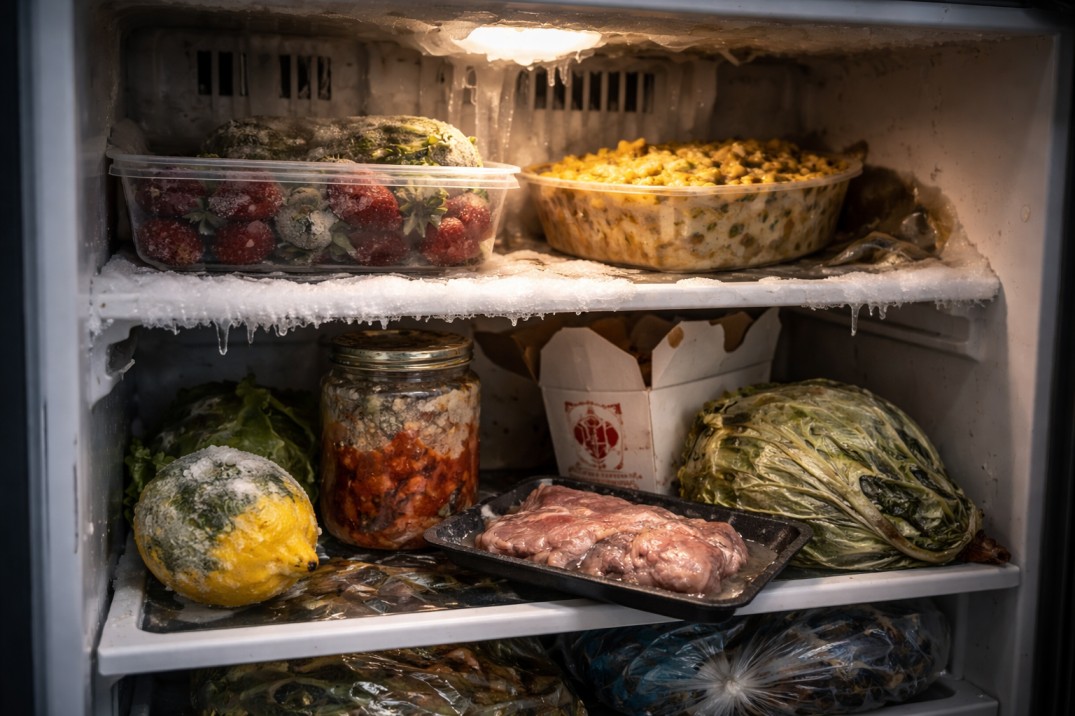
No, and the risks extend beyond electrical safety. A refrigerator that is not maintaining proper temperature creates conditions for bacterial growth in stored food. Listeria, Salmonella, and E. coli can develop in food that appears normal but has been stored above safe temperatures. Beyond food safety, a fridge with a failing compressor or damaged wiring poses the same fire and electrical risks as any other malfunctioning appliance.
If your refrigerator is making unusual noises, running constantly, failing to maintain temperature, or showing frost buildup in unexpected areas, have it inspected. Our refrigerator repair service covers all major brands and models in the Boston, MA area.
Should I Keep Using a Broken Washing Machine?
No. A washing machine with a failing motor, unbalanced drum, or damaged water inlet valve poses risks of flooding, electrical faults, and physical injury from violent vibration. A drum that moves unevenly at high speed can damage internal components rapidly and, in rare cases, cause the machine to move or tip. Water leaks from a faulty washing machine near electrical components are also a significant hazard.
If your washing machine is shaking excessively, leaking, stopping mid-cycle, or making grinding sounds, stop using it and contact our washer and dryer repair service.
Is It Dangerous to Use an Oven With a Malfunction?
Yes, particularly if the malfunction involves the thermostat, igniter, or gas supply. An oven that does not reach temperature accurately can produce undercooked food. A gas oven with a faulty igniter may allow gas to accumulate before igniting, creating a risk of explosion. A malfunctioning electric oven with a damaged heating element can arc or spark internally.
If your oven is taking longer than usual to heat, producing uneven results, emitting unusual smells, or clicking repeatedly without igniting, have it assessed before continued use. See our stove, oven and range repair service for professional evaluation in Boston, MA.
What Happens If I Continue Using a Faulty Microwave?
A microwave with a damaged door seal, faulty magnetron, or cracked interior can present several risks. Door seal damage allows microwave radiation to escape during operation. Internal arcing, visible as sparking inside the cavity, can ignite food residue and cause fires. A microwave that runs but does not heat is not simply inefficient, it is a sign of a failing magnetron that may be drawing excess power and generating heat in unintended areas.
How Long Can You Use a Malfunctioning Dishwasher?
You should stop using a malfunctioning dishwasher immediately if it is showing signs of electrical fault, leaking water onto the floor, or failing to drain completely. A dishwasher that runs electrical components while leaking water is a serious shock and fire hazard. Standing water inside a dishwasher that fails to drain becomes a breeding ground for bacteria and mold, which can contaminate dishes even after subsequent cycles. Our dishwasher repair service is available across Boston, MA for fast, professional diagnosis.
What Is the 50/50 Rule for Appliances?
This rule is useful not just as a financial framework but as a safety one. An appliance old enough to require a major repair is often experiencing broader systemic wear. Fixing one component may resolve the immediate symptom while leaving other aging parts that are approaching failure.
What Is the Average Lifespan of an Appliance?
General expected lifespans for major home appliances are:
Refrigerator: 10 to 15 years
Washing machine: 10 to 13 years
Dryer: 10 to 13 years
Dishwasher: 9 to 12 years
Oven and range: 13 to 15 years
Microwave: 9 to 10 years
An appliance approaching or beyond these ranges that requires a significant repair is a strong candidate for replacement rather than continued investment.
Is It Worth Fixing a 7 Year Old Refrigerator?
It depends on the nature of the repair and the condition of the unit. A 7 year old refrigerator is roughly at the midpoint of its expected lifespan. If the repair is minor, such as a door seal replacement or thermostat fix, it is generally worth proceeding.
How to Identify a Faulty Appliance at Home
Before calling a technician, there are observable checks any homeowner can perform safely:
Listen for unusual sounds during operation: grinding, buzzing, rattling, or humming that was not previously present
Check the power cord and plug for visible damage, discoloration, or warmth during use
Observe the appliance's performance: is it taking longer, producing less, or behaving inconsistently?
Check the circuit breaker after each use to see if it has tripped
Look for scorch marks, discoloration, or a burning smell near the plug or appliance body
None of these checks require opening the appliance or accessing internal components. Any internal inspection should be performed by a qualified technician.
How to Test If an Appliance Is Faulty With a Multimeter
A multimeter can be used to check whether an appliance is drawing the correct amount of current and whether its wiring has continuity. Testing involves setting the multimeter to the appropriate resistance or voltage setting and checking across specific terminals while the appliance is unplugged. This is a standard diagnostic step for trained technicians and should not be attempted without knowledge of appliance wiring diagrams and safe testing procedures.
If you suspect a fault, the safest and most reliable option is to have the appliance tested professionally. You can also verify whether your appliance has been subject to a recall by checking the Consumer Product Safety Commission website.
Which Appliances Should Never Be Left Plugged In?
The appliances that carry the greatest risk when left plugged in unattended are those that generate significant heat:
Toasters and toaster ovens
Space heaters
Clothes irons
Countertop grills and air fryers
Any appliance already showing signs of malfunction
Appliances such as refrigerators and freezers are designed to remain plugged in continuously and are safe to do so when functioning correctly. The risk increases significantly with age and any signs of wear or fault.
What Kitchen Appliance Should Always Be Unplugged Before Bed?
Toasters, toaster ovens, and countertop cooking appliances should be unplugged every night. These are the appliances most frequently involved in overnight kitchen fires due to residual heat, crumb buildup, and faulty heating elements that can activate unexpectedly. Any appliance that has shown signs of malfunction should also be unplugged when not in active use, regardless of type.
Can You Use a Damaged Electrical Cord?
No. A damaged electrical cord is one of the most immediate safety hazards in any home appliance. Frayed insulation, cracked casing, kinks, or visible wiring are all signs that the cord can no longer safely carry current. A damaged cord can arc internally, spark at the point of damage, or create a shock hazard for anyone who touches it. Do not attempt to repair a damaged cord with tape or by twisting wires together. The cord must be replaced by a qualified technician using the correct replacement part for the appliance. See our full list of appliance repair safety risks.
When to Call a Professional Appliance Repair Service in Boston, MA
The moment you notice any of the warning signs described in this guide, the right course of action is to unplug the appliance and contact a licensed repair technician. Do not attempt to diagnose or repair electrical faults, gas connections, or internal components without professional training.
Our team provides professional appliance repair services across Boston, MA for all major home appliances. Whether you need refrigerator repair, washer and dryer repair, dishwasher repair, or stove, oven and range repair, we provide a full safety assessment with every visit, not just a fix for the reported symptom.
If you are unsure whether your appliance is safe to use, do not wait. Contact us for a professional evaluation.
The Bottom Line
No, it is not safe to keep using a malfunctioning appliance. The risks, including fire, electrical shock, damage to your home's wiring, and in the case of food appliances, contamination and illness, are real and well documented. The warning signs are almost always present before a serious incident occurs.
If your appliance is showing any of the signs described in this guide, unplug it, stop using it, and contact a professional. Our team in Boston, MA is available for fast, thorough appliance repair assessments across all major appliance types.
Frequently Asked Questions
Is it safe to keep using a malfunctioning appliance?
No. Even if the appliance is still running, it may be developing internal faults that pose serious risks including fire, electrical shock, and damage to your home's wiring.
Can a faulty appliance cause a house fire?
Yes. Malfunctioning components, frayed cords, and loose connections can overheat or short circuit, igniting nearby materials like curtains, cabinetry, or lint. A short circuit can even send a surge through your walls and behind outlets.
Is it safe to use a fridge that isn't cooling properly?
No. A fridge failing to maintain temperature doesn't just risk electrical hazards it creates conditions for dangerous bacterial growth including Salmonella and E. coli in food that may look perfectly normal.
Can I use an appliance with a damaged power cord?
Never. A damaged cord is an immediate fire and shock hazard and must be replaced by a qualified technician never patched with tape or improvised fixes of any kind.
When should I call a repair technician?
The moment you notice any warning sign unusual noise, burning smell, tripped breakers, or visible damage unplug the appliance and contact a licensed technician before using it again. Attempting to diagnose electrical faults or internal components yourself can be dangerous.

